

When parents choose an uncontested divorce in Georgia, they are choosing cooperation over conflict. That choice can significantly reduce stress on children and allow families to transition forward with stability.
However, even in an uncontested divorce, Georgia courts require detailed parenting plans and accurate child support calculations before granting final approval.
This guide explains how parenting plans and child support work under Georgia law, what courts expect, and how to avoid costly mistakes.
Georgia Law and the Best Interests of the Child
In Georgia, custody decisions are governed by the “best interests of the child” standard under Georgia Code §19-9-3. Even when both parents agree, the judge must review the agreement to ensure it protects the child’s welfare.
The court considers factors such as:
- Emotional bonds between parent and child
- Stability of each home environment
- Each parent’s involvement in the child’s life
- Ability to provide for educational and medical needs
- History of caregiving
An uncontested divorce does not mean automatic approval. The parenting plan must be clear, thorough, and compliant with Georgia requirements.
What Must Be Included in a Georgia Parenting Plan
Georgia law requires a written parenting plan in every case involving minor children.
A compliant parenting plan must address:
Legal Custody
Georgia recognizes joint or sole legal custody. Legal custody determines who makes major decisions regarding:
- Education
- Healthcare
- Religious upbringing
- Extracurricular activities
Even when parents share joint legal custody, one parent may have final decision-making authority in specific areas.
Physical Custody and Parenting Time
The parenting plan must include a detailed schedule covering:
- Weekly parenting time
- Holiday rotations
- School breaks
- Summer schedules
- Special occasions
Vague agreements like “reasonable visitation” are often rejected by courts. Specificity protects both parents.
Transportation Arrangements
Your plan should state:
- Pick-up and drop-off locations
- Transportation responsibilities
- Procedures for late arrivals
Clear logistics prevent future disputes.
Communication Guidelines
Georgia courts encourage structured communication between co-parents. Plans often include:
- Preferred communication method
- Notice requirements for schedule changes
- Access to school and medical records
Child Support in a Georgia Uncontested Divorce
Even in an uncontested divorce, child support is calculated using Georgia’s statutory guidelines under Georgia Code §19-6-15.
Parents cannot simply waive child support without court review.
How Georgia Calculates Child Support
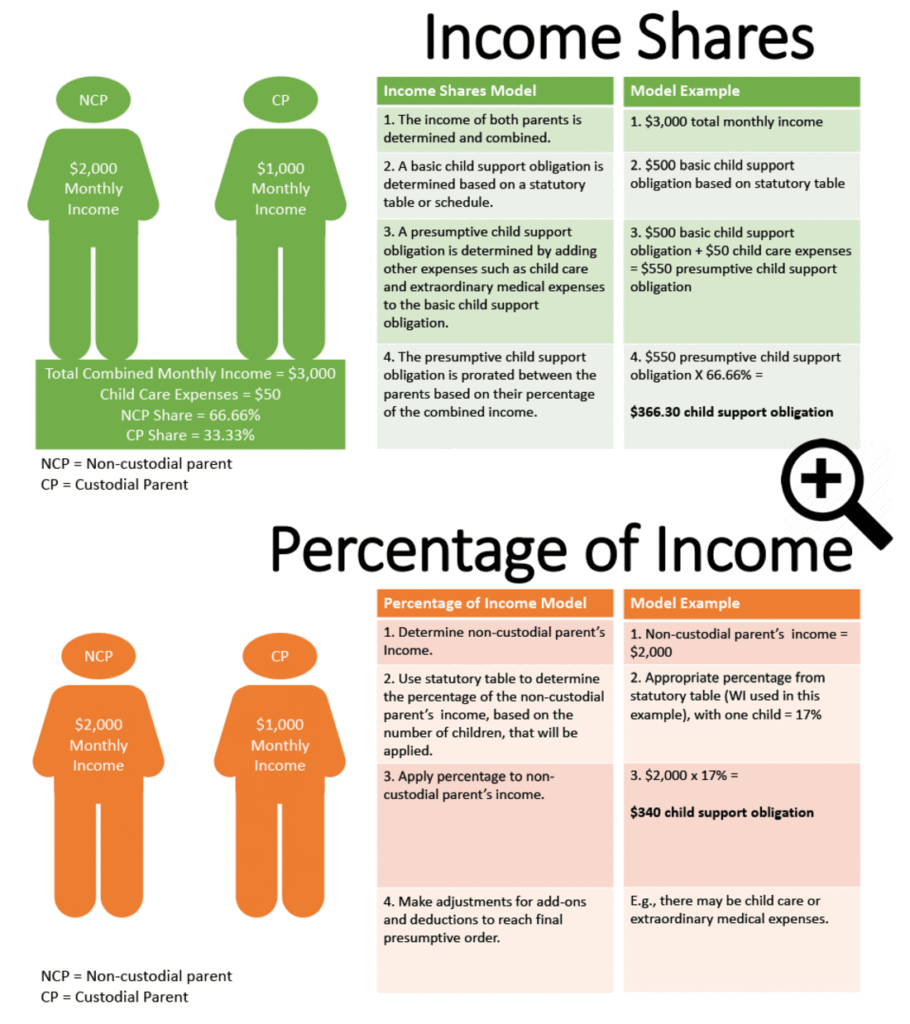
Georgia uses an income shares model. The court considers:
- Both parents’ gross monthly income
- Health insurance premiums
- Work-related childcare costs
- Extraordinary medical expenses
- Parenting time adjustments
The goal is to maintain the child’s standard of living as closely as possible to what it would have been if the marriage had continued.
What Child Support Typically Covers
What Child Support Typically Covers
Child support contributions help cover:
- Housing
- Utilities
- Food
- Clothing
- School supplies
- Healthcare
- Extracurricular activities
Additional expenses such as uncovered medical costs are often divided separately in the parenting plan.
Can Parents Agree to a Different Amount?
Yes, but with limitations.
Georgia courts may approve deviations from guideline child support if:
- Both parents agree voluntarily
- The deviation serves the child’s best interests
- The reason for deviation is clearly documented
Examples of acceptable deviations may include:
- High parenting time share
- Travel expenses for visitation
- Special educational needs
Without proper documentation, the court may reject the agreement and delay finalization.
Modifying Custody or Child Support Later
Life circumstances change. Georgia allows modification of custody or child support when there is a substantial change in circumstances, such as:
- Significant income change
- Relocation
- Change in parenting time
- Increased medical or educational needs
Until a judge signs a modification order, the original terms remain enforceable.
Common Mistakes in Georgia Uncontested Divorce Cases
- Using generic online parenting plan templates
- Miscalculating child support income
- Failing to allocate healthcare expenses clearly
- Not addressing tax dependency exemptions
- Drafting vague parenting schedules
These errors can delay approval or create problems long after the divorce is finalized.
Why Legal Guidance Matters in an Uncontested Divorce
Even cooperative divorces require precise drafting. Courts in Georgia review uncontested divorce paperwork carefully, especially when children are involved.
The Porter Law Firm helps parents:
- Draft court-compliant parenting plans
- Calculate accurate child support
- Avoid procedural delays
- Protect long-term parental rights
Our goal is to help families move forward with clarity, protection, and peace of mind.
Frequently Asked Questions
How long does an uncontested divorce take in Georgia when children are involved?
Most uncontested divorces in Georgia take approximately 31 to 60 days after filing, depending on court schedules and completeness of paperwork.
Do we have to go to court?
Many uncontested divorces are finalized without a formal hearing, but procedures vary by county.
Can we share custody 50/50?
Yes. Georgia courts frequently approve equal parenting time when it serves the child’s best interests.
Can child support be waived?
Generally no. Courts require guideline calculations and justification for any deviation.
Final Thoughts
An uncontested divorce allows parents to protect their children from unnecessary conflict while maintaining control over custody and financial arrangements. When structured properly, it creates stability, clarity, and a smoother transition for everyone involved.
If you are considering an uncontested divorce in Georgia and want to ensure your parenting plan and child support agreement are done correctly, contact The Porter Law Firm today.
Schedule your consultation at theporterlawfirm.co or call 678-710-9100
Leave a Reply